Light From Above, Space Unchanged
Today we explore Skylights and Light Wells: Transforming Dark Interiors Without Expanding Footprint, uncovering how overhead daylight reshapes mood, depth, and energy use without adding a single square foot. Expect practical guidance, lived stories, and clear steps for turning dim corners into uplifting, workable places. Share your experiences, ask questions, and subscribe for ongoing insights as we unlock healthier lighting, smarter detailing, and surprisingly low-disruption renovations that honor structure, climate, and budget.
Why Overhead Daylight Changes Everything
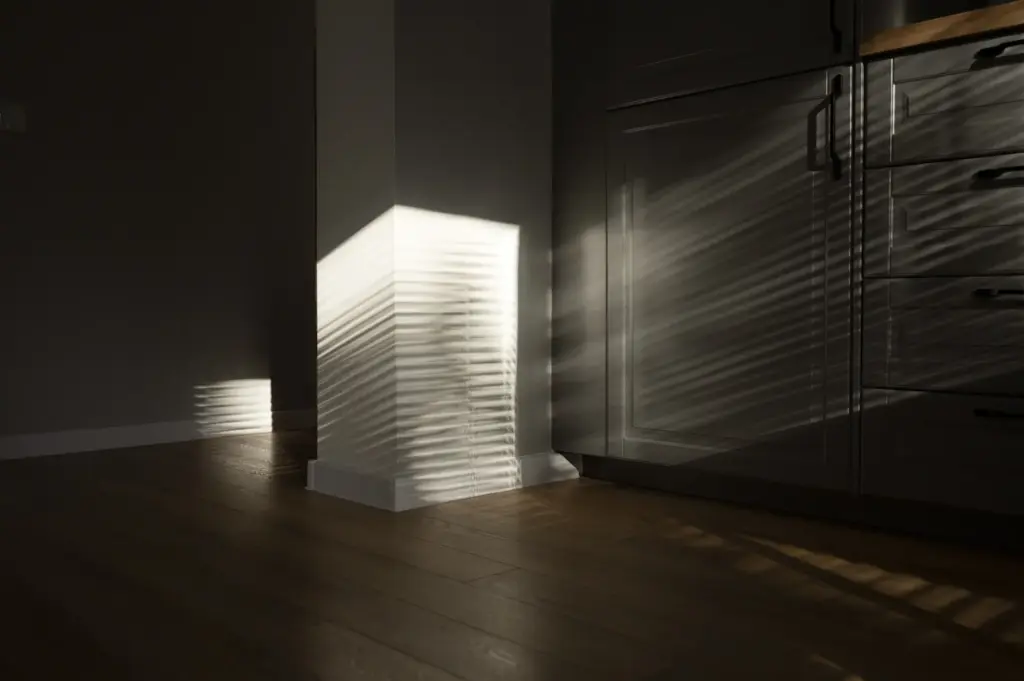
Daylight arriving from above penetrates deeper, washes surfaces more evenly, and sparks natural alertness in ways side windows rarely achieve. It strengthens visual comfort, supports circadian rhythm, and creates intuitive orientation cues. With thoughtful sizing and glare control, overhead light reduces daytime electric loads and cooling peaks. Readers often describe a lifted mood the first morning after installation. Join the conversation and share the moments when a small aperture created a big, life-enhancing shift.

Designing Effective Skylights
Great results begin with proportion, placement, and glazing performance that respect structure and climate. Aim for generous but disciplined apertures, prioritizing areas needing balanced task light. Understand U-factor, solar heat gain, and visible transmittance to fine-tune comfort. Consider curb height for snow and water, interior shafts for distribution, and integrated shading for control. Subscribe for downloadable checklists that turn aspirations into a tight, coordinated plan supporting both craft and long-term durability.
Mastering Light Wells in Tight Floor Plans
Light wells channel sky brightness through interior layers, rescuing rooms stranded away from exterior walls. Success depends on shaft proportion, surface reflectance, and thoughtful terminations that share illumination across doors, transoms, or clerestories. Consider borrowed-light strategies for bathrooms, halls, and pantries, aligning privacy with gentle glow. Use mirrors with restraint to prevent visual noise. Join others sharing floor plan sketches, and learn how a compact, reflective well can choreograph surprising depth within modest footprints.
Proportion, Reflectance, and the Magic of Taper
A wider opening at the ceiling and a flared interior taper encourage even distribution, reducing contrast at the well’s base. Paint shafts bright, near-neutral whites to push reflectance above eighty percent. Keep corners crisp for clean bounces. Where acoustic privacy matters, use dense linings but preserve luminous surfaces. We welcome your photos of existing shafts; together, we can identify small geometry tweaks that dramatically extend clarity onto floors, art walls, and crucial work surfaces.
Borrowed Light for Interior Rooms and Hallways
Terminate a light well into a glazed transom, interior clerestory, or reeded panel to pass glow into adjacent rooms while preserving privacy. Frosted interlayers dim distractions yet sustain high ceiling brightness. For hallways, align wells with circulation lines to guide movement safely. Coordinate with smoke partitions and door swings. Drop your corridor widths, door heights, and desired translucency in comments, and the community will propose detailed assemblies that feel bright, quiet, and dignified.
Structure, Moisture, and Code Confidence
Well-executed overhead openings respect framing limits, manage water impeccably, and meet safety rules with confidence. Coordinate with an engineer when cutting rafters or trusses, and upgrade headers accordingly. Flash curbs in shingle fashion with compatible membranes and metal. Address condensation risk through warm-edge glazing, thermal breaks, and controlled ventilation. Study fire ratings, egress, and fall protection. Comment with your roof type and locale, and we will highlight relevant requirements and typical inspection expectations.
Framing Alterations Without Regrets
Before opening a roof, document rafter sizes, spacing, and loads, especially near valleys or hips. Sister members as needed and install double headers to transfer forces cleanly. Pre-plan mechanical reroutes to avoid last-minute compromises. For trussed roofs, never cut without an engineered repair detail. Photograph framing and keep a checklist for inspectors. Ask questions about your existing structure, and the community will point to sketches and resources that make approvals smoother and execution calmly predictable.
Flashing, Condensation, and Long-Term Durability
Success lives in the details: stepped flashing, continuous underlayment upturns, and backpans that deflect wind-driven rain. Use compatible sealants and avoid reliance on caulk alone. Inside, include air-sealing at shaft perimeters to prevent moist air leaks. Evaluate dew points, consider insulated curbs, and add controlled ventilation where needed. Create a seasonal inspection ritual. Share your climate and roofing material, and we will suggest layered defenses that keep assemblies tight, dry, and reassuringly low-maintenance.
Safety Glazing, Fire Separation, and Access
Many areas require laminated glass overhead; others specify fall protection or guards during maintenance. In attached dwellings, mind fire-separation distances and ratings at shafts. Some jurisdictions address egress or smoke ventilation for certain sizes. Verify manufacturer certifications and label visibility for inspections. If a roof deck is nearby, coordinate safe access paths. Describe your jurisdiction and building type in comments, and we will help translate code language into actionable, builder-friendly details that pass cleanly.
Real Transformations: Stories, Numbers, and Lessons
From narrow townhouses to basement studios, overhead daylight changes behavior, reduces daytime lighting hours, and reframes cherished objects. Homeowners report using fewer lamps, cooking more happily, and navigating stairs with new confidence. Post-renovation metering often shows smaller cooling peaks when shading is integrated. We share lessons learned—what to do, what to avoid, and why mockups matter. Add your before-and-after images, and invite feedback that sharpens your next move before construction begins.
Operation, Maintenance, and Smart Control
To keep brightness delightful rather than demanding, pair overhead openings with automation that tracks sun and occupancy. Use motorized shades or electrochromic glazing to ease seasonal extremes. Schedule gentle morning openings for circadian support and afternoon modulation for cooling. Establish cleaning, inspection, and seasonal sealant checks alongside gutter maintenance. Readers often discover that small routines protect big investments. Share your climate, schedules, and comfort goals so we can suggest control scenes that feel intuitive and enduring.