Sunlit Spaces, Rested Bodies

Step into Daylight and Wellbeing: Designing Rooms to Support Circadian Rhythms as we uncover how morning brightness, balanced midday illumination, and gentle evening dimness can harmonize hormones, sharpen focus, and deepen sleep. Expect science you can use, stories from real homes, and practical design moves that transform windows, surfaces, and routines into daily allies for health, clarity, creativity, and reliable rest.

The Body’s Clock and the Sky’s Script

Your inner clock listens to the sky far more than your schedule does. Light at the right time resets cortisol and melatonin, lifting alertness by day and easing sleep by night. When a reader moved her desk toward an east-facing window, she felt fewer afternoon crashes. Track your energy for a week, compare bright mornings to dim ones, and notice how even brief outdoor breaks can recalibrate mood, appetite, and sustained concentration.

Orient Rooms for Energizing Mornings

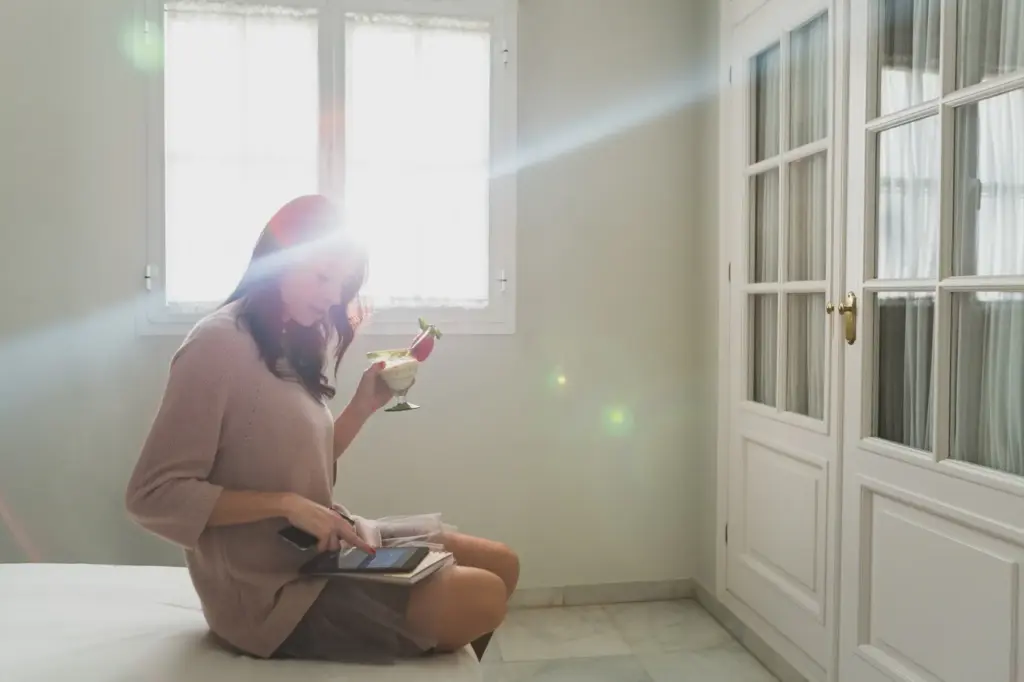
Place activities that welcome early light where the sun actually lands. East and southeast exposures deliver gentle yet potent brightness that lifts mood without harsh heat. A breakfast nook or writing corner near these windows becomes a daily anchor. Bedrooms benefit from dawn’s glow if blackout and top-down shades manage pre-sunrise light. Sketch your floor plan, map the sun’s path, and realign key seating to greet uplifting, predictable morning brilliance.

Bedrooms that Rise Kindly with the Sun

Let dawn invite wakefulness without stealing sleep. Combine high-quality blackout for deep nights with easy-to-open top-down shades that welcome morning light exactly when you want it. Pale ceilings bounce early rays softly; heavy drapes glide aside quickly. Try a small mirror opposite the window to extend brightness across the room after the alarm. Gentle, natural light pairs beautifully with calm routines, helping your body prefer waking to buzzing alarms.

A Home Office that Sets the Day’s Pace

Position your desk perpendicular to an east or south window so daylight fills side vision without glaring on screens. Use matte monitor finishes, a quiet desk lamp for overcast days, and a light background behind the display. Keep windowsills cleared to maximize sky view and encourage micro-breaks. Many people report earlier task engagement and fewer coffee refills when morning light greets their workspace like a punctual, encouraging colleague.
A Breakfast Corner That Feels Like a Small Sunrise

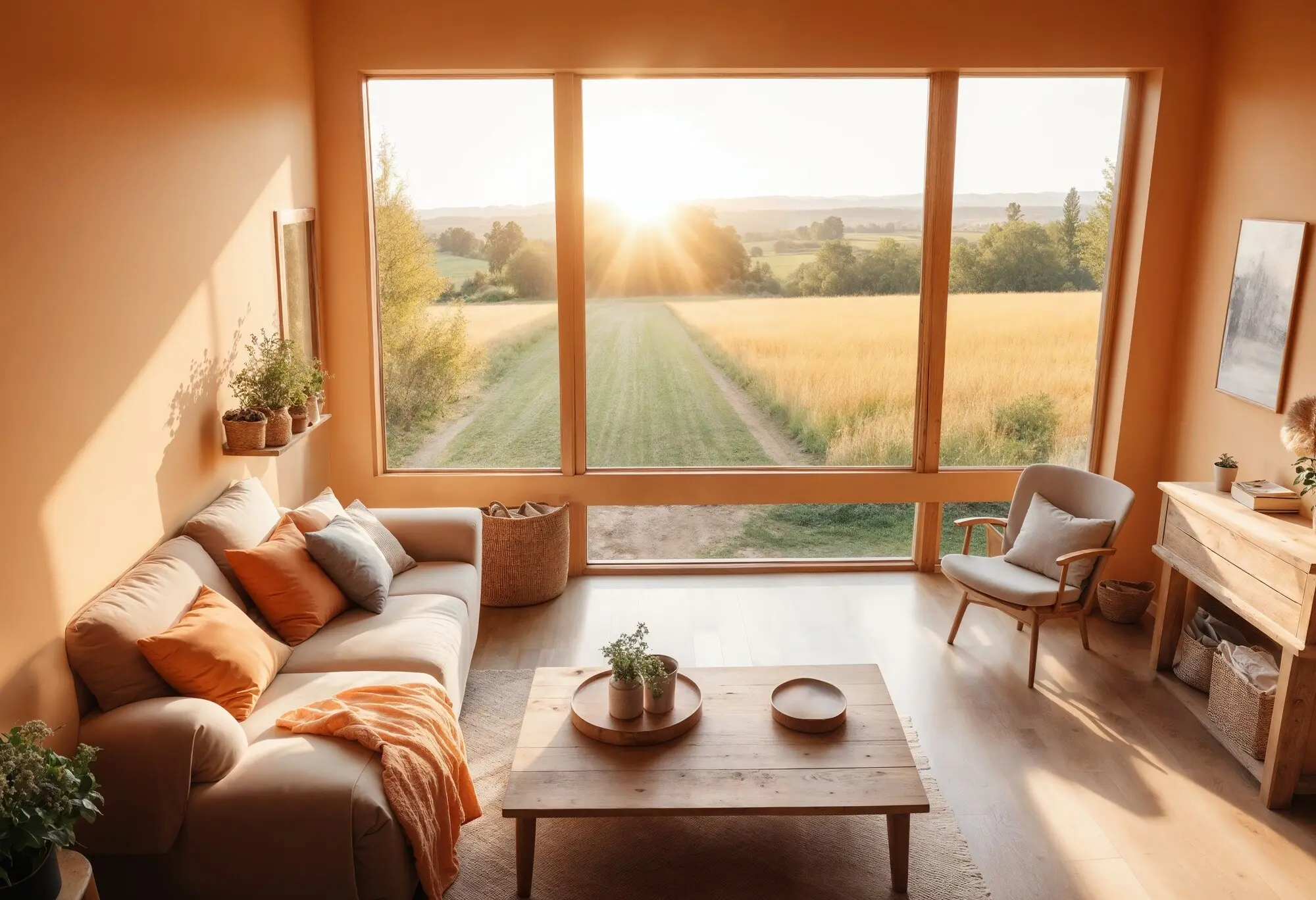
Create a ritual seat that catches first light: a slim table by an east window, warm textiles, and a plant that thrives on morning brightness. Keep the wall opposite pale to bounce sunlight deeper. Sit there briefly even on cloudy days; the consistent cue still steadies your clock. Share a photo of your corner with us, and note how your appetite, mood, and screen cravings shift after a week of sunlit starts.


Smart Shading that Preserves Sky and Focus

Angle blinds upward to bounce rays to the ceiling, or use light-colored sheers that blur the sun’s edge. Exterior awnings or overhangs intercept heat before it enters. Adjustable louvers let you chase comfort as clouds shift. Keep a small gap for a sliver of view; peripheral sky helps attention. With these controls, you choose comfort rather than surrendering daylight, protecting both eyes and the daily rhythm that sunlight effortlessly conducts.

Materials that Calm Reflections

Glossy finishes scatter harsh highlights that tire eyes. Choose matte wood desks, lightly textured paint, and low-sheen countertops where you read or type. A pale, matte ceiling becomes a soft lightbox when it receives a gentle bounce. Avoid glass tabletops opposite bright windows. If you love shine, localize it in decor away from direct beams. The visual hush restores comfort, supporting midday momentum without the exhausting shimmer that steals attention.

Evenings that Gently Dim

As afternoon slides toward night, invite room light to echo the sky’s quieting. Lower brightness, choose warmer tones, and favor lamps over ceiling glare. Darkness is a letter your brain reads as a clear bedtime invitation. Build little rituals—soft music, reading nooks, slow cooking—that pair beautifully with golden pools of light. These choices protect melatonin, helping you fall asleep faster, wake fewer times, and greet tomorrow steadier and brighter.

Color, Texture, and the Dance of Light

Pale Planes that Carry Light Deeper

Choose high light-reflectance paint for ceilings and upper walls to bounce morning rays across rooms. A satin or matte finish keeps glare low while extending usable brightness. Place mirrors thoughtfully to catch sky rather than sun, creating soft, expansive cues. Even narrow spaces feel uplifting when surfaces collaborate. Test swatches at different hours; your eyes will confirm which tones keep rooms breathable without washing away the character that makes home feel whole.

Deep Hues Where Cozy Belongs

Use saturated, darker colors in rooms that welcome evening quiet—libraries, dining corners, or bedrooms. These hues drink in excess brightness, encouraging lamplight to glow richly. Combine with warm bulbs, woven textures, and wood to balance cool daylight on winter afternoons. Darker colors also help screens feel calmer at night by reducing contrast. You gain intimacy and focus without compromising the sunlit vitality enjoyed in adjacent, brighter spaces earlier in the day.

Texture that Softens and Enlivens

Linen curtains, limewash walls, and brushed metals transform sharp highlights into a gentle shimmer that flatters faces and calms eyes. Layer rugs and natural fibers to dampen scatter and noise. A small, ribbed glass sconce near a reading chair adds sparkle without glare. Touch invites presence; presence anchors rhythm. Photograph a corner before and after adding texture, then notice how the light’s character shifts from brittle brightness to welcoming, dimensional warmth.

Measure, Experiment, and Share Your Findings

Good design grows from feedback. A simple light meter app, a weeklong sleep journal, and a few furniture tweaks can reveal which changes truly matter. Track mood, appetite, focus, and bedtime consistency as you adjust blinds, lamps, and seating. Compare cloudy and sunny days. Then share your photos, layouts, and discoveries with our community, subscribe for new experiments, and help others craft spaces where daylight quietly coaches better habits and richer rest.
Lorozavotavozentosiratemifari
Privacy Overview

This website uses cookies so that we can provide you with the best user experience possible. Cookie information is stored in your browser and performs functions such as recognising you when you return to our website and helping our team to understand which sections of the website you find most interesting and useful.