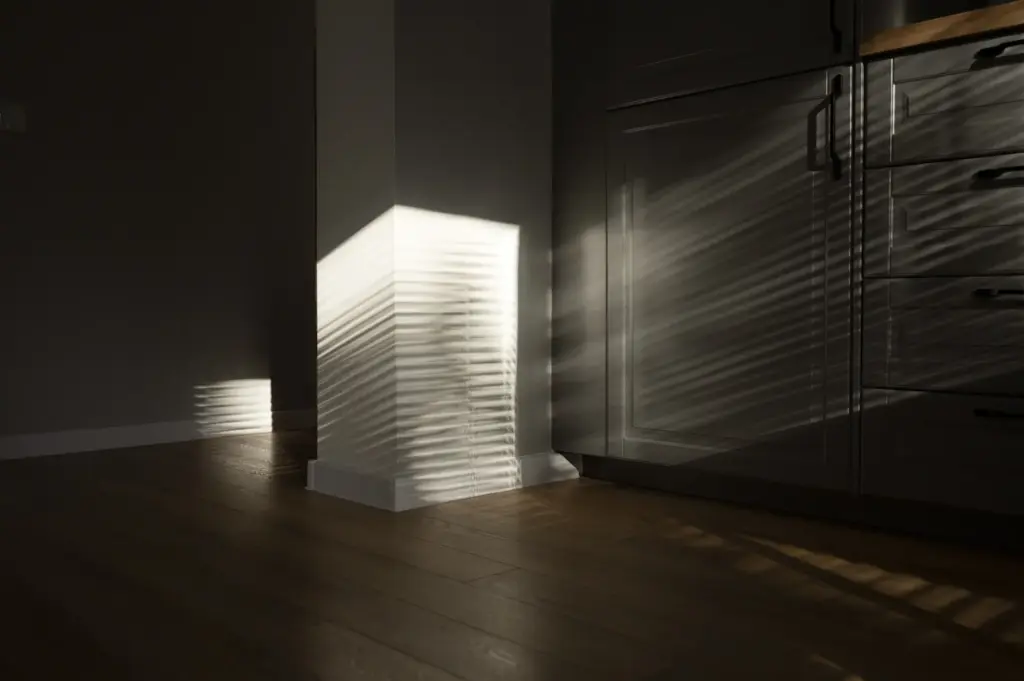
Designing with the Sun, All Year Round

Let’s journey through living spaces that evolve with the sky. Today we explore “Seasonal Sunlight Strategies: Adapting Interiors to Changing Daylight Throughout the Year,” translating shifting angles, hours, and colors of daylight into comfort, clarity, and beauty. Expect practical tactics, sensory stories, and experiments you can try today, wherever you live.

Reading the Sky: Understanding Seasonal Light Shifts

Earth’s 23.5‑degree tilt sends the sun on higher summer arcs and lower winter paths, stretching or compressing daylight hours by latitude. Noticing these cycles reveals when rooms glow, flatten, or glare. We’ll map orientations, shadows, and color temperature changes so furnishings, tasks, and rituals meet light at its generous, timely best.

Layout Tactics for Low Winter Suns and High Summer Arcs

Furniture placement can embrace winter’s low, warming rays while shielding summer’s overhead blaze. Build moveable zones, respect circulation paths, and keep sightlines toward views and plants. With small seasonal nudges—a chair rotation, a reading lamp swap, a rug shift—you’ll balance sunlight, task needs, and restorative shade without clutter.

Winter Cozy Zones by the Window

Stage a compact lounge near the brightest winter window, pairing a high‑back chair, footstool, and throw with a side table that won’t cast harsh reflections. Pull drapery at dusk to hold heat. Morning coffee becomes ritual, while the low sun animates textures, books, and conversation.

Summer Retreats with Deep Shade

Establish a midday refuge a few steps from direct beams, perhaps beneath a shelf, tall plant canopy, or folding screen. Angle seating to capture cross‑breezes and outdoor greenery. The room breathes, devices glare less, and conversations lengthen because heat, brightness, and distraction are gracefully moderated.

Rotating Vignettes and Mobile Pieces

Put low tables, stools, and accent lighting on felt pads or casters so they glide with the seasons. A picture ledge welcomes art that prefers softer light. Swapping task lamps and throwing a lightweight rug can recalibrate activity zones without expense, noise, or renovation dust.

Materials, Colors, and Finishes that Partner with the Sun

Light Reflectance Value (LRV) guides how surfaces bounce or absorb daylight. Balanced palettes mix higher‑LRV walls for glow, matte finishes to reduce glare, and tactile woods or stone to ground brightness. Seasonal textiles, breathable paints, and thoughtful sheen control keep rooms calm as the sky changes daily.

High‑LRV Walls without Sterility

Choose nuanced off‑whites with warm or cool undertones, testing large swatches on multiple walls for a week. Morning light may read peachy; afternoon turns crisp. Trim a shade brighter can sharpen edges. The goal is luminous, forgiving backgrounds that host art, plants, and winter sun without hospital chill.

Timber, Stone, and Thermal Calm

Materials with thermal mass, like stone or dense tile, absorb winter rays and release gentle warmth later; in summer, shaded mass steadies temperatures. Pair oiled oak, limewash, and unsealed terracotta with breathable rugs. The textures invite touch, soften reflections, and keep seasonal shifts grounded and humane.


Windows, Glare, and the Art of Gentle Control

Smart Rhythms: Sensors, Shades, and Tunable Light

Technology should feel invisible yet caring. Daylight sensors dim fixtures as windows brighten. Motorized shades track sunrise, solstice, and weekends differently. Tunable white pendants shift from warm dawn support to cooler focus and back. Together they protect circadian rhythms, trim bills, and free attention for meals, work, and play.

Tunable White and Circadian Support

Look for LED fixtures with a comfortable CCT range, high color rendering, and quiet dimming. Program warm, low light before bed; energizing, cooler tones for deep focus; and daylight‑responsive scenes that avoid midday over‑illumination. The result complements real sun, reducing strain and evening restlessness throughout changing seasons.

Sensors, Scenes, and Automations

Pair occupancy and daylight sensors with simple scenes labeled for routines—Breakfast, Write, Stretch, Movie. Schedule shades to lift slightly on school mornings and hold lower on late sunsets. Calendar‑aware automations nudge habits gently, while manual overrides remain friendly so spontaneity, guests, and weather surprises still feel welcome.

Measuring, Iterating, and Saving Energy

A pocket light meter or phone app reveals foot‑candles on desks and art. Track comfort, glare, and energy use for a month, then iterate—tilt a blind, move a mirror, swap a bulb. Small calibrations compound into quieter bills, happier eyes, and naturally brighter days.

Stories from Real Rooms and Ways to Join In

Across latitudes, rooms evolve with patience and play. In one tiny studio, a mirror doubled winter glow; in a bungalow, a tree became summer’s best shade. We’ll share what worked, what flopped, and invite your comments, photos, and questions so this community keeps learning together.
In a chilly north‑facing walk‑up, we layered creamy limewash, added a brass floor lamp, and wheeled a velvet chair fifteen inches closer to the window from December through March. Morning journaling stopped squinting. By April, everything rolled back, and the room still felt luminous.
A bustling family room shifted with school terms: a reading nook hugged winter glass; summer movie nights retreated beneath a ceiling fan and layered sheers. Sensors dimmed lights when clouds parted. The children noticed sunsets sooner, and chores strangely improved when glare vanished from the tabletop.
Tell us how your windows behave in January, April, July, and October. Post a snapshot, describe a clever fix, or ask for a second pair of eyes. Subscribe for seasonal checklists and sun‑path prompts, and we’ll keep refining strategies together, one bright, generous day at a time.
Lorozavotavozentosiratemifari
Privacy Overview

This website uses cookies so that we can provide you with the best user experience possible. Cookie information is stored in your browser and performs functions such as recognising you when you return to our website and helping our team to understand which sections of the website you find most interesting and useful.