Let the Light In, Keep the Distractions Out

Welcome! Today we explore window treatments that enhance daylight while controlling glare and privacy, bringing thoughtful balance to bright rooms, focused workspaces, and restful retreats. Expect practical guidance, real-home stories, smart strategies, and material insights that help you preserve luminous interiors, protect comfort, and maintain views. Share your questions, photos, and wins so we can learn together and fine-tune solutions for your unique windows, orientations, and daily routines.

Brighter Rooms, Calmer Eyes

Sunlit spaces feel generous and alive, yet unmanaged brightness can wash out screens, fatigue eyes, and reveal too much to the street. Here we translate daylight’s generosity into reliable comfort using clever fabrics, careful mounting, and layered control. From open-plan living to corner home offices, you’ll see how small details—edge light gaps, fabric color, rail choices—shape clarity, calm, and privacy without dimming the day’s welcome glow.

Fabrics, Films, and Finishes That Work Hard

Materials determine how sunlight behaves. Technical screen weaves sculpt luminance, metallized backings bounce heat, and decorative films soften edges while preserving open feeling. UV filtering protects art and floors from fading, while carefully chosen colors influence reflectance, warmth, and apparent depth. Daytime privacy differs from nighttime, so pairing materials matters. Explore how to let daylight dance across walls without surrendering comfort, clarity, or your sense of sanctuary after sunset.

Layered Control for Every Hour

One material rarely solves every need from sunrise reading to movie night. Layering lets you modulate brightness, boost privacy, and enrich texture without clutter. A sheer for shimmer, a solar screen for glare, and a blackout for sleep form a nimble trio. Add side channels, thoughtful fascias, or soft cornices to seal light leaks and elevate finish. Blend tactile warmth with precise control to welcome light, not wrestle it.

Sheer Drapery Over Solar Shades

Start with a screen shade to shape daylight and protect screens, then float sheer drapery in front to soften edges and hide hardware. The room reads tailored yet relaxed. By day, the screen handles sparkle; at dusk, the sheer diffuses street views and adds dimension. Choose wider drapery returns to hug walls, minimizing side glow. Share photos of your layering experiments and note how the room feels across changing weather.

Dual-Roller: Screen by Day, Blackout by Night
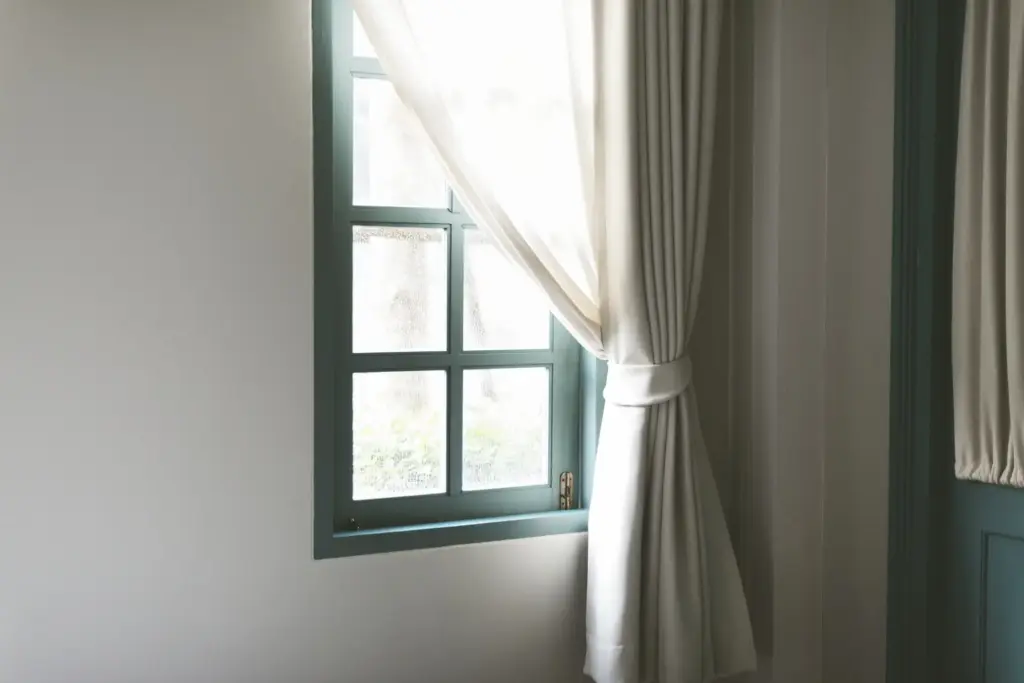
Two rollers, one window: a screen fabric preserves daylight, and a blackout shade creates darkness on command. This combination serves nurseries, media rooms, and shift-work bedrooms beautifully. Add side channels or wider outside mounts to curb glow lines. A reverse roll can pull fabric closer to glass for tighter control. Consider chain-free operation for safety and silence. Record before-and-after light readings to understand how much glare you truly eliminated.

Light Shelves, Valances, and Ceiling Glow

A simple internal light shelf or bright valance edge can push daylight deeper, brightening without harshness. Valances hide top gaps that cause overhead sparkle on screens. Specify a reflective upper wall or pale ceiling to catch and scatter rays. Pair these with a medium-dark screen fabric for balanced contrast. Together they produce calmer task zones and visually taller rooms. Try a mock-up with foam board to preview bounce effects affordably.

Smarter Shades, Healthier Rhythms

Automation aligns comfort with the sun’s journey, protecting focus by day and privacy by night. Timers, solar position algorithms, and glare sensors move shades as light changes, reducing manual fiddling. Scenes anchor routines: breakfast glow, deep-work mode, and wind-down calm. Integrations with voice assistants and smart lighting complete the experience. Data helps refine schedules, while quiet motors maintain serenity. Start simple, then expand once patterns feel reliably helpful and human.

Automations that Follow the Sun

Use astronomical scheduling to lower screens during peak glare without darkening mornings. Add a sensor that reads lux near your workstation, nudging shades when brightness spikes. Geofencing can raise shades as you arrive, welcoming you with natural light. Seasonal adjustments help winter sun sit lower without piercing eyes. Keep manual overrides handy for guests, and log comfort notes the first month to smooth out occasional misfires and surprises.

Privacy On Cue, Comfort on Repeat

Create an evening scene that closes blackout layers after sunset, then lifts them slightly for air circulation while keeping silhouettes concealed. Program a weekend routine that favors sheers for brunch brightness. Tie controls to occupancy so empty rooms don’t hog daylight or views. In shared homes, label scenes clearly to reduce confusion. Invite household feedback, refine steps, and post your favorite automation recipes so others can adapt them confidently.

Beauty Meets Performance

Great control should also look effortless. Subtle textures, precise hems, and thoughtful hardware help windows feel integrated, not covered. Color affects brightness and mood: lighter shades lift, darker tones frame views. Patterns can soften privacy without heaviness, and sleek fascias keep lines clean. When details align—stitching, brackets, pulls—the room gains cohesion. Choose finishes that echo architecture so performance disappears into design, leaving sunlight to tell the story.

Measure, Install, and Care Like a Pro

Measuring for the Perfect Fit

Measure width at top, middle, and bottom, then use the smallest number for inside mounts; do the same for height. Confirm depth so hardware and fabric clear handles. Note out-of-square frames that might need shims or outside mount solutions. Plan overlaps generously for blackouts. Check obstruction locations—vents, tiles, or casings—that could skew brackets. Photograph the opening and keep notes with each dimension to prevent confusion during ordering and installation.

Installation Tricks that Reduce Glare Leaks

Level brackets ensure even rolling and straight edges, minimizing top leaks that sparkle on screens. For blackouts, use side channels or wider outside mounts to blanket gaps. Reverse roll brings fabric closer to glass, trimming halo effects. Add thin foam tape behind valances to close micro-slivers. After mounting, cycle shades several times, listening for snag points. Share your best hack for taming stubborn light leaks so others can replicate success.

Cleaning, Longevity, and Simple Repairs

Dust screen fabrics with a soft brush or low-suction vacuum, then finish with a microfiber cloth to smooth specks that scatter light. Spot-clean gently, avoiding saturating adhesives. For chains, verify tensioners; for motors, set calendar reminders to recharge batteries. Address telescoping early with careful re-rolling. Keep warranty info handy and label boxes for future replacements. Subscribe for seasonal care checklists, and tell us which habits most improved clarity and comfort.

Lorozavotavozentosiratemifari
Privacy Overview

This website uses cookies so that we can provide you with the best user experience possible. Cookie information is stored in your browser and performs functions such as recognising you when you return to our website and helping our team to understand which sections of the website you find most interesting and useful.