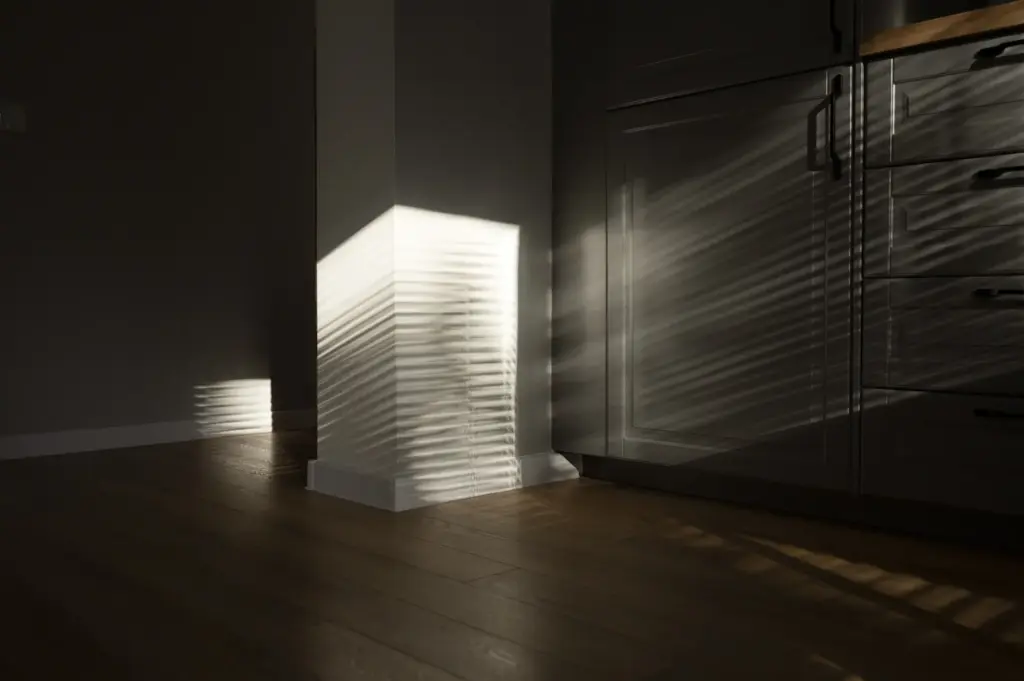
Let Daylight Travel Farther Indoors
Today we explore using high Light Reflectance Value paints and reflective finishes to bounce daylight deeper indoors, turning dim corners into welcoming spaces without heavy renovations. Expect practical color guidance, sheen choices, and layout tricks, backed by stories, measurement tips, and maintenance habits that keep brightness consistent through seasons. Bring a notepad, your floor plan, and curiosity; by the end, you will see walls as quiet light engines. Share your room photos, ask questions, or subscribe for ongoing daylight experiments and seasonal checklists we refine with reader feedback.
Understanding LRV and Surface Optics
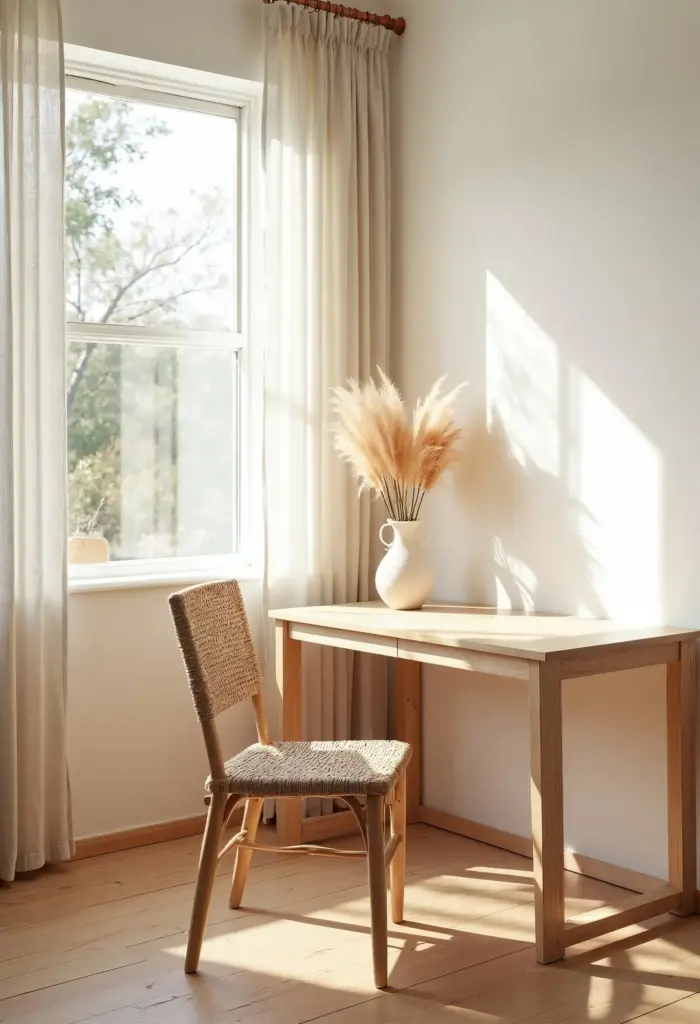
Grasp how Light Reflectance Value quantifies a surface’s ability to return visible light, and why tiny shifts in pigment, binder, and sheen dramatically change room brightness. We’ll compare diffuse and specular reflection, discuss colorimetry basics, and show simple ways to visualize bounce paths with lamps, paper cards, and phone apps.
Color Strategy for Walls, Ceilings, and Trim
Craft a palette that moves sunbeams gracefully, pairing near-white ceilings with subtly warm or cool walls that maintain clarity as daylight shifts. Calibrated trim bridges surfaces, preventing murky edges. We’ll balance undertones, floor reflections, and window treatments so every boundary collaborates, avoiding the sterile feel that often accompanies ultra-bright spaces.
Ceiling as a Passive Light Panel
Treat the ceiling like a vast reflector by selecting a crisp, high-LRV color with just enough warmth to avoid clinical chill. Slightly higher sheen than walls returns energy without glare. Crown lines and subtle texture choices help spread illumination evenly, especially toward the room’s deeper zones and work surfaces.
Walls that Glow, Not Glare
Choose pigments with disciplined undertones that resist greening or pinking as sunlight angles change. Eggshell or matte-scrubbable finishes protect calm diffusion, while strategic near-whites on accent planes bounce daylight inward. We’ll share sample formulas that preserved art colors, skin tones, and plant vibrancy in apartments with mixed exposures.

Reflective Finishes and Materials
Kitchens and baths benefit from durable, cleanable sheens, yet too much gloss near bright windows can produce punishing glare. We propose balanced combinations—matte fields with satin accents—that handle steam, fingerprints, and splashes while still returning soft, usable light to hallways, breakfast nooks, and interior rooms starved for sun.
Position mirrors perpendicular to glazing to redirect light deeper rather than reflecting it back outdoors. Consider antiqued finishes that scatter instead of beam. Glass cabinet fronts, glossy backsplashes, and slim light shelves can cooperate, compounding small gains into meaningful brightness without stealing attention from art, views, or the people.
Pale, satin-finished floors can lift light upward, while heavy, dark rugs often swallow precious lumens. Low, open-legged furniture preserves sightlines and encourages bounce. Metallic-thread textiles, translucent room dividers, and carefully placed chrome or brass accents gently animate pathways, lending sparkle that reads as cleanliness and generosity rather than glare.
Daylight Sources, Orientation, and Layout
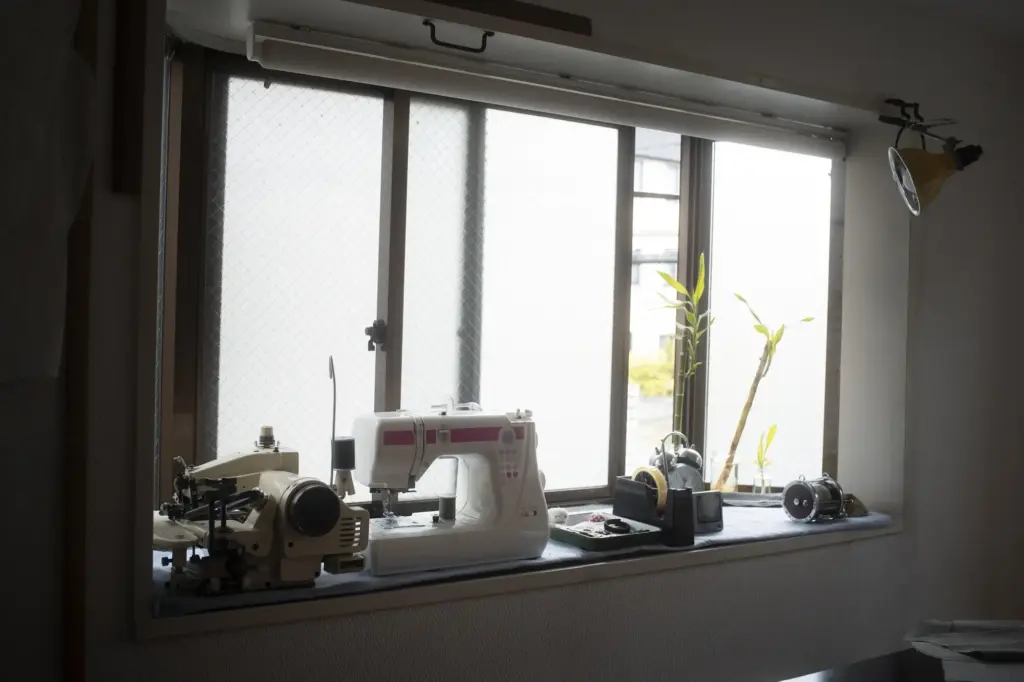
Color and sheen cannot work alone. Understanding window orientation, exterior obstructions, and interior partitions lets you aim reflections deliberately. We’ll map seasonal sun paths, analyze reveal depths, and consider clerestories or borrowed-light cutouts, ensuring your new high-LRV strategy collaborates with architecture instead of fighting it for inconsistent, short-lived results.
Real-World Makeovers and Lessons Learned
Stories ground decisions. We’ll revisit apartments and homes where high-LRV paints and reflective finishes carried daylight past thresholds once resigned to lamps. You’ll see mistakes—overly glossy corners, stark whites against cool floors—and the fixes that restored calm brightness, plus budget tricks anyone can attempt over a single weekend. Tell us in the comments which adjustment surprised you most, and what you’d try next.
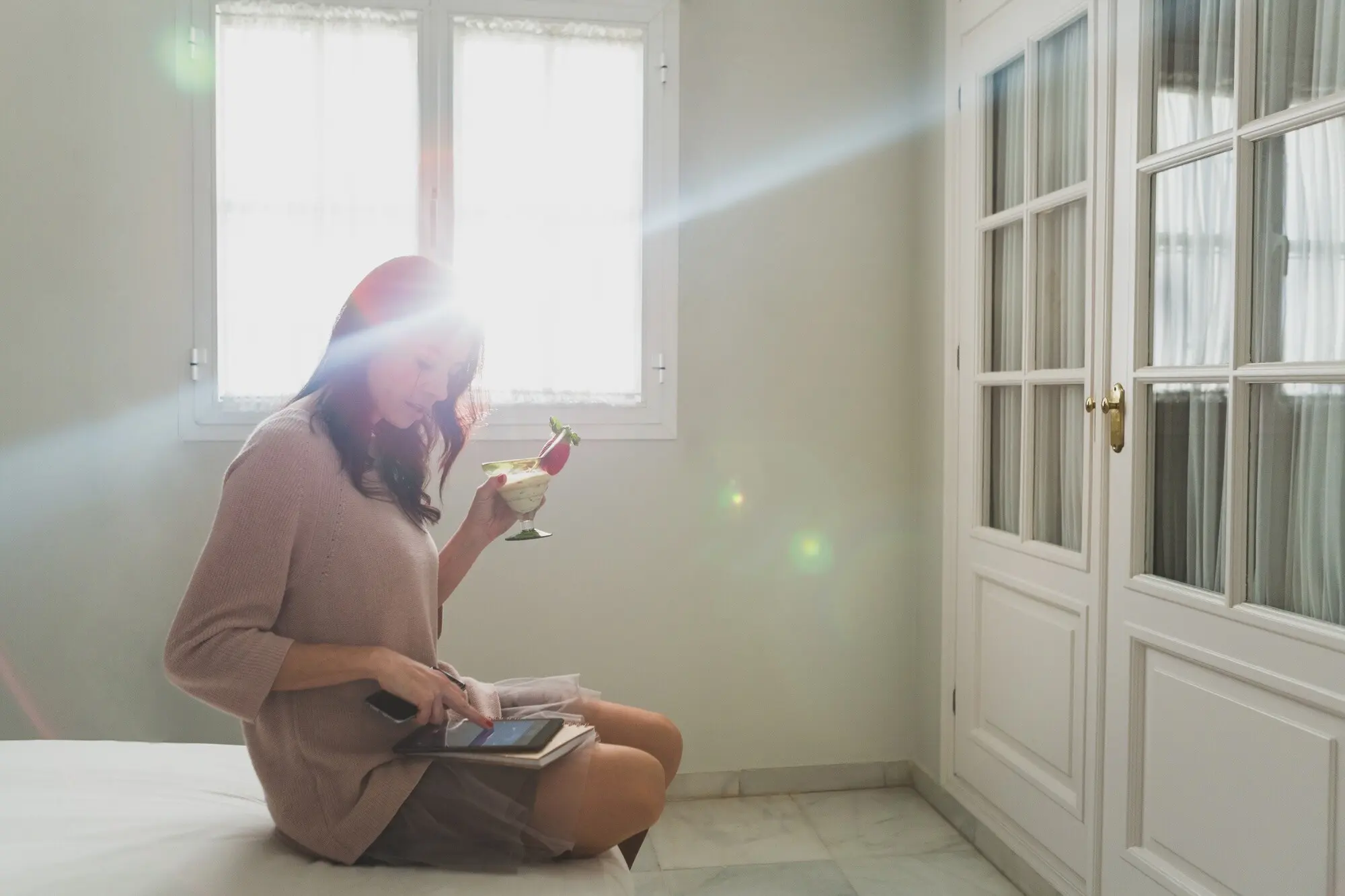
A North-Facing Apartment That Finally Felt Bright
In a shaded courtyard flat, changing dingy beige to a balanced near-white with a touch of warmth, upgrading trim to satin, and adding a mirrored gallery rail pushed light fourteen feet deeper. Plants revived, energy bills dipped, and morning coffee migrated from window ledge to the once-gloomy sofa.
Deep Hallway Transformation with Paint and Mirrors
A windowless corridor received a high-LRV ceiling, soft eggshell walls, and a pair of staggered mirrors set perpendicular to adjacent glazing. The change lifted measured lux by half at the far door. Family photos regained sparkle, and the space finally greeted guests with clarity rather than apology.
Home Office Comfort Without Monitor Glare
A pale, low-sheen wall behind the desk bounced light upward while an anti-glare film calmed the window. Trim in satin framed edges for crispness on video calls. The result: fewer headaches, brighter afternoons, and an environment that energizes deep work without sacrificing accurate color for design reviews.
Execution Checklist and Maintenance
Success arrives through details: surface prep, primer tint, sheen transitions, and clean, continuous planes. We’ll provide a sequence that keeps momentum, plus cleaning routines, scuff repair, and yellowing prevention. Track lux readings seasonally, iterate with small adjustments, and invite feedback from guests—fresh eyes often notice subtle breakthroughs first. Bookmark this checklist and subscribe for updates as we test new coatings and share reader-sourced data from varied climates and floor plans.

Surface Prep that Maximizes Reflectance
Flat spots, roller ridges, and dust nibs scatter beams unpredictably. Meticulous sanding, vacuuming, and tack-wiping create the silky plane high-LRV coatings need to perform. Pair high-build primers with bright work lights at a low angle to reveal flaws, then correct them before color touches the wall.

Testing Swatches and Light at Different Hours
Paint large, movable boards and rotate them through the space across days. Photograph under consistent exposure to compare. Monitor color shifts caused by floors, landscaping, or nearby brick. Your best choice is the one that stays calm and clear at breakfast, lunchtime, and after the sun slips below rooftops.

Keeping Surfaces Bright Over Time
Oils, soot, and airborne cooking residues lower reflectance silently. Gentle, regular cleaning with non-yellowing products preserves bounce. Shield vulnerable zones with washable finishes. Seasonal touch-ups, fresh caulk lines, and updated bulbs keep the whole system coherent, so you continue enjoying deeper, kinder daylight long after the last brushstroke.